
Sustainablity
LoomLine believes in high-quality, durable products that will last. We work with materials chosen for their performance and longevity.
We're factory-backed, which means our clients have a seat in the decisions that matter: material selection, production planning, and process efficiency.
We support a range of material standards and work with factory partners that maintain certifications such as ISO, BSCI, and Sedex, covering quality systems and social compliance while aligning material and environmental considerations based on your product.
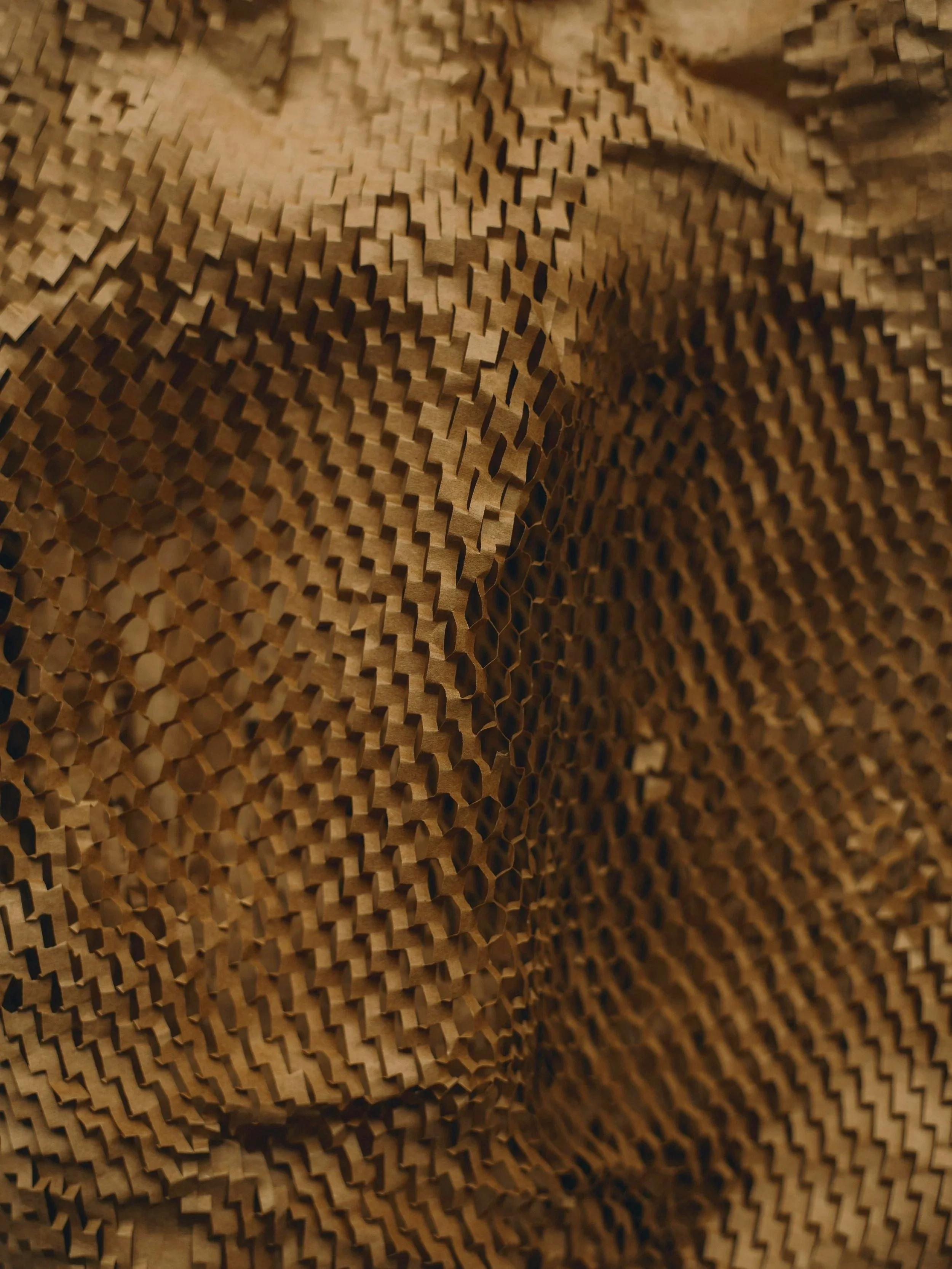
Here's what we currently offer:
Ocean Bound Plastic
— Plastic collected before it reaches the ocean, redirected from coastlines and waterways and remade into usable material. A proven option with a clear environmental story.

— Post-consumer and post-industrial materials given a second life. A practical choice for brands looking to reduce their footprint without a significant impact on cost or lead time.
Recycled Materials
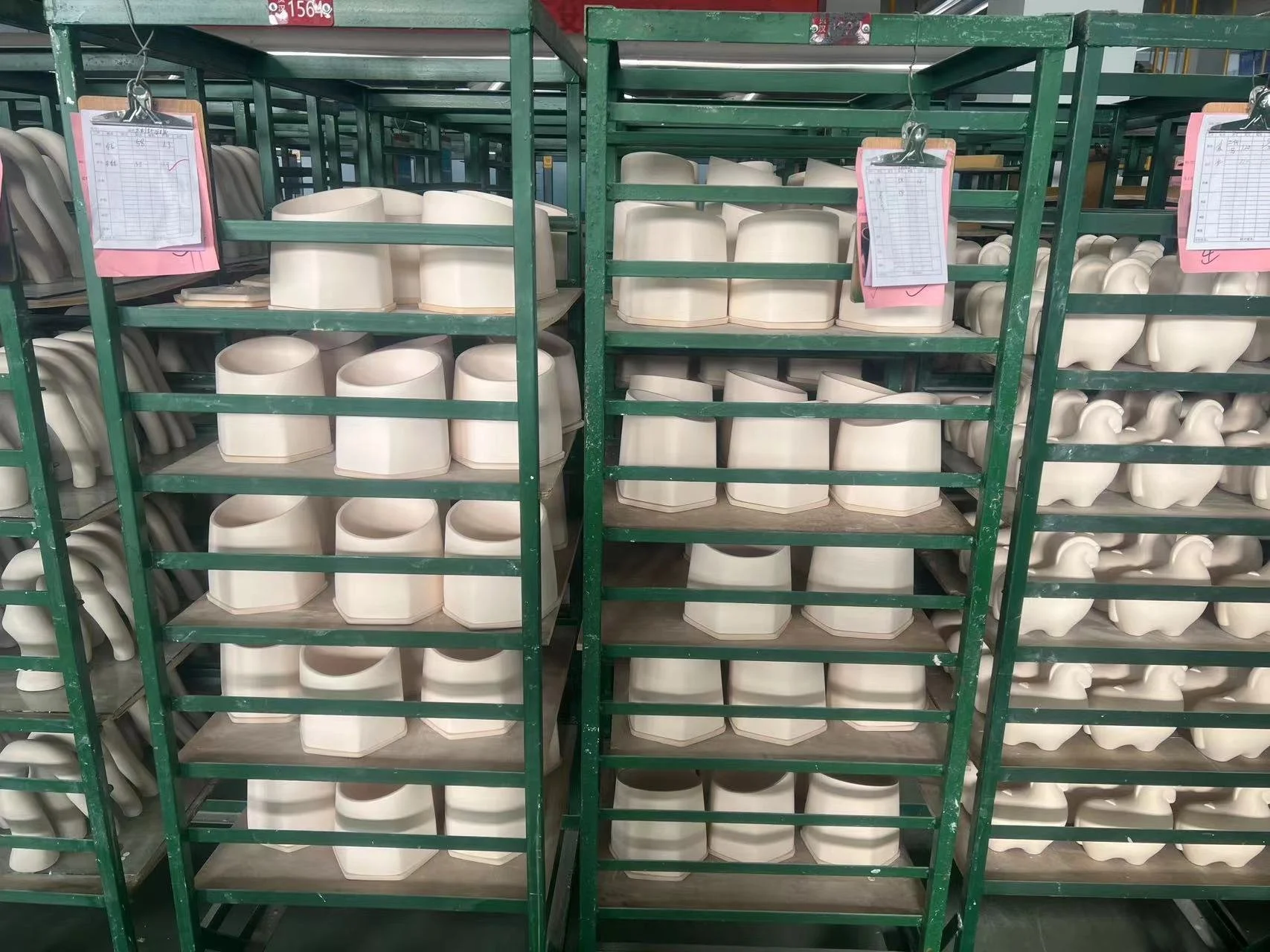

— Materials partially or fully derived from natural sources, used as alternatives or blends across packaging, silicone, and apparel applications. Options vary by product.
Bio-Based Materials
Have specific material or sustainability requirements? We'd love to work with you to find the right fit.
-
Sustainability at LoomLine means making thoughtful decisions across materials, manufacturing, and packaging—based on what’s realistic for your product, not a one-size-fits-all claim.
-
We work with FSC-certified materials whenever possible. FSC (Forest Stewardship Council) certification ensures that paper and wood materials are sourced from responsibly managed forests that protect natural resources and local communities.
-
Not necessarily. Many overseas factories operate at scale with advanced processes and certifications. Sustainability depends more on how and where materials are sourced and how production is managed.
-
In many cases, yes—but not always at the same performance level as conventional materials. We help balance sustainability goals with how the product actually needs to function in the real world.